【ELSI】How changing environments can preserve an ancient microbial survival strategy
- Social Phase Transition
- ELSI
- Articles
― Theory explains how a seemingly self-destructive behaviour known as “latecomer killing[1]” could persist for hundreds of millions of years ―
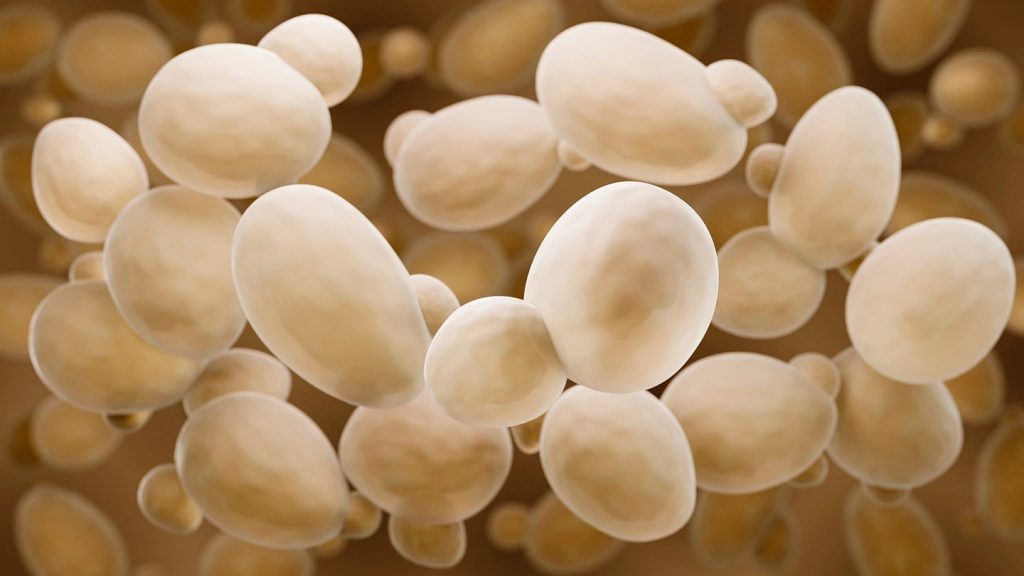
A research group led by Tetsuhiro Hatakeyama from the Earth-Life Science Institute (ELSI) at Institute of Science Tokyo have revealed how a seemingly self-destructive survival strategy could persist in yeast for hundreds of millions of years. By combining population-dynamics theory with comparative experimental observations, the team found that alternating periods of nutrient-rich conditions and starvation can stabilise this unusual behaviour over evolutionary timescales.
The findings were published in the Journal of the Royal Society Interface.
Reference
Tetsuhiro S. Hatakeyama, Kunihiko Kaneko, Kunihiro Ohta and Arisa H. Oda. Evolvability of the toxin-adaptation system in yeast J R Soc Interface DOI: 10.1098/rsif.2026.0345
The full press release is available on this page.
For more information on ELSI, please visit the website.
Glossary
[1] Latecomer killing
A survival mechanism where yeast secretes a toxin during glucose starvation while acquiring immunity to it, thereby eliminating surrounding microorganisms—both same and different species—without dying itself.