【SPTI】Uncovering the evolution of Edo-period Japanese ceramic jars with AI
- Social Phase Transition
- Future of Humanity Research Center
- Articles
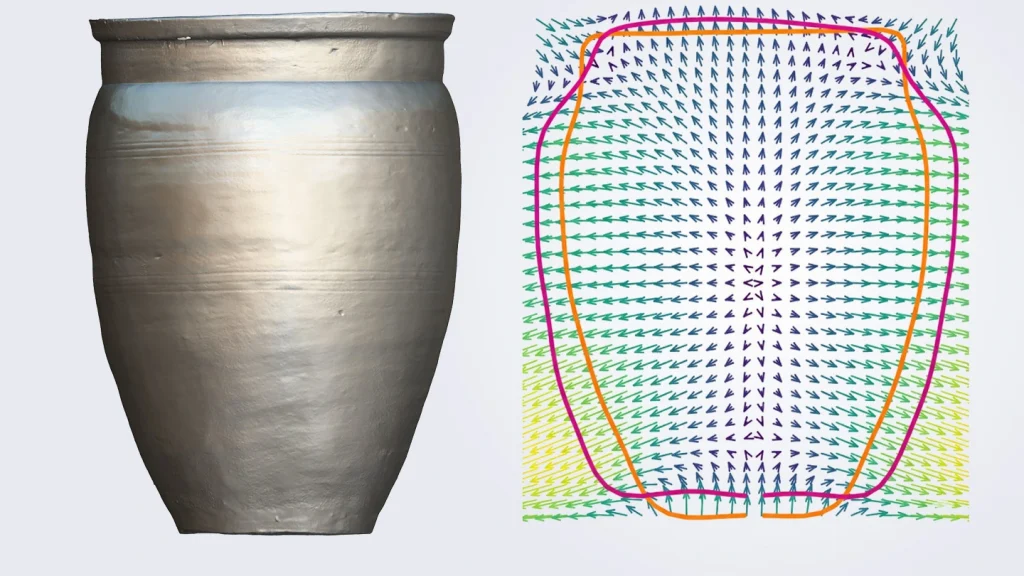
Edo-period “Ogame” (“large jars”) became increasingly standardized over time, developing distinct shapes for everyday and burial use, reports a new archeological study from Institute of Science Tokyo, Japan. Using AI-assisted techniques and geometric morphometrics, Associate Professor James Frances Loftus from the Institute of Future Science, analyzed 243 historic vessels to quantitatively track these changes. The findings provide the first quantitative evidence that major Edo-period historical events influenced not only expensive porcelains production but also everyday ceramics, offering new insights into early modern Japanese society.
Reference
James Frances Loftus. Water, Soy Sauce, Feces, and Death: A Geometric Morphometric and Machine Learning Analysis of Edo-Period Ogame Jars, Japan Open Archaeology DOI: 10.1515/opar-2025-0083
The full press release is available on this page.
For more information on Future of Humanity Research Center, please visit the website.